 03 April 2026
 Share
Share
1
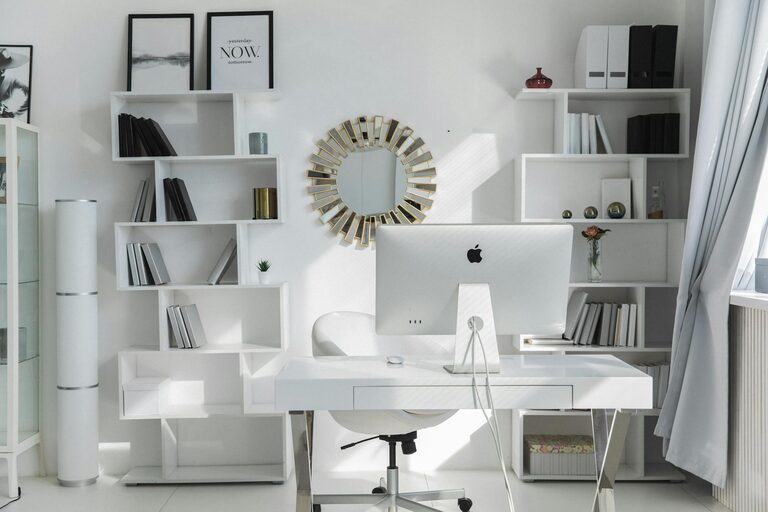
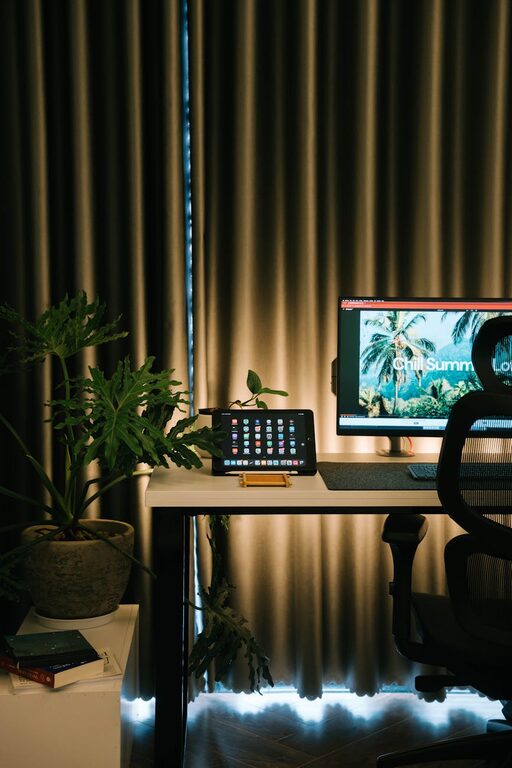
Creating a comfortable and efficient home office space is key to maintaining focus and motivation, especially when working remotely. Whether you have a dedicated room or just a corner in your living area, designing a workspace that is both cozy and functional can make a significant difference in your daily routine.
In this guide, we’ll explore practical tips to help you set up a home office that supports productivity without sacrificing comfort.
Locate your home office near a window if possible. Natural light has been shown to improve mood and energy levels, which can enhance focus throughout the day. Position your desk so that the light illuminates your workspace without causing screen glare.
Pick a quiet spot, away from noisy areas like the kitchen or living room if you can. If space is limited, use room dividers or noise-cancelling headphones to create a more focused environment.
A good chair supports your posture and reduces discomfort during long work periods. Look for adjustable chairs with lumbar support to prevent back pain.
Choose a desk suitable for your work style. If you prefer to switch between sitting and standing, consider a height-adjustable desk. Ensure the desk has enough surface area for your computer, notebooks, and any other tools you use regularly.
A neat workspace helps clear your mind and reduces stress. Keep only the essentials on your desk and store the rest in drawers or shelves.
Invest in organizers, file holders, or baskets to keep papers, cables, and office supplies tidily arranged. Labeling storage items can also save time when searching for things.
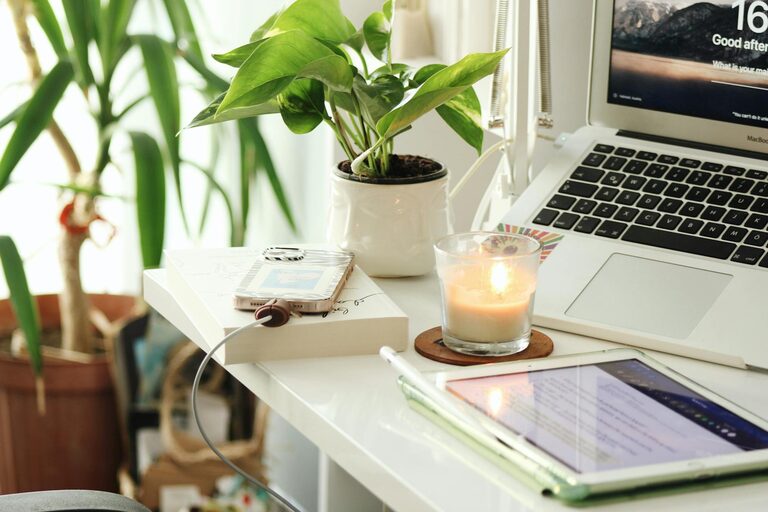
Greenery not only looks appealing but also improves air quality and can have a calming effect. Choose low-maintenance plants like succulents or pothos to add a touch of nature.
Incorporate items that make you smile or inspire you, such as artwork, inspirational quotes, or souvenirs. Use soft textiles like a cozy throw or a cushioned seat pad for added warmth.
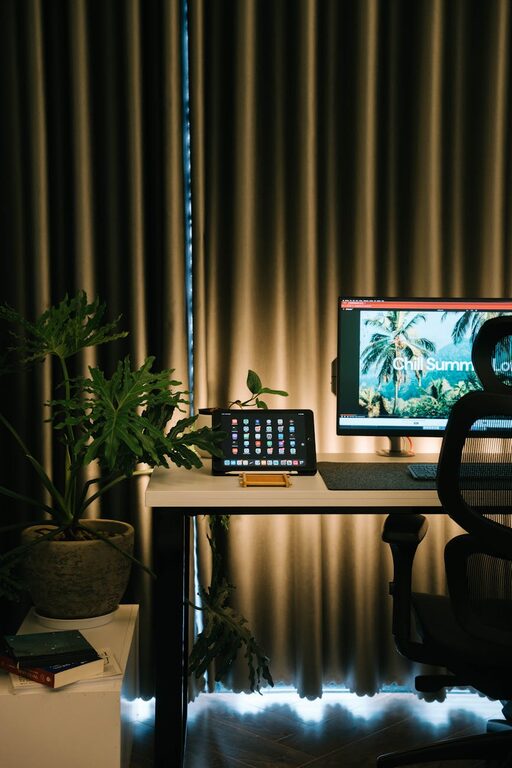
Relying solely on overhead light can cause eye strain. Use desk lamps for focused illumination and consider ambient lighting like floor lamps to create a warm atmosphere.
Different tasks may benefit from varying color temperatures. Cooler light promotes alertness, while warmer light can help you relax; consider bulbs that allow you to switch between these modes.
If external noise is unavoidable, white noise machines or soft background music can help maintain concentration.
Good ventilation is important for comfort and alertness. Whenever possible, open a window or use an air purifier to keep the air fresh and clean.
Having a consistent schedule helps create a boundary between work and leisure. Signal the start and end of your workday with simple rituals, like lighting a candle or closing a laptop.
If you share your home with others, discuss your work hours and the importance of minimizing interruptions during those times.
Ensure your internet connection, computer, and other devices are dependable to avoid frustration.
Learn shortcuts and use productivity apps to streamline tasks and save time.
—
Designing a home office that is both cozy and productive takes some planning but pays off in greater comfort and efficiency. Remember to tailor your space to your personal preferences and work habits. By combining good lighting, ergonomic furniture, organized storage, and personal touches, your home office can become a place where you enjoy spending time and getting things done.