
 03 April 2026
 Share
Share
1
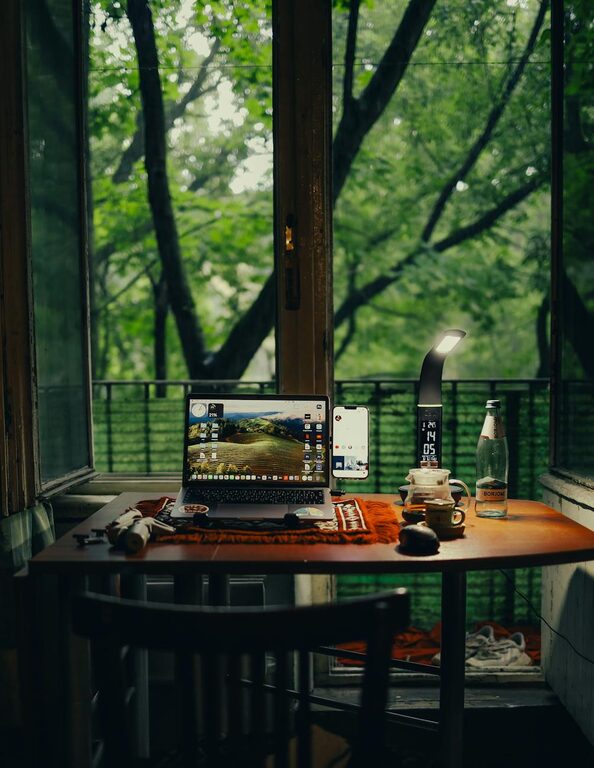
Creating a relaxing home workspace is essential in today’s world where many people spend significant time working from home. A well-designed, calming environment can increase productivity, improve focus, and reduce stress. Whether you have a dedicated room or a small corner in your living space, these tips will help you set up an inviting and efficient work area.
The foundation of a relaxing workspace starts with selecting an appropriate spot in your home.
– Natural Light: Aim for a space near a window to take advantage of natural daylight. Sunlight boosts mood and alertness.
– Minimal Distractions: Pick a quiet area away from heavy foot traffic or noisy appliances.
– Comfortable Size: Choose a space that feels roomy enough for your needs but doesn’t take over your living area.
Your furniture plays a crucial role in comfort and productivity.
– Ergonomic Chair: Choose a chair that supports good posture and provides adjustable height and lumbar support.
– Proper Desk Height: Ensure your desk allows your arms to rest comfortably while typing.
– Flexibility: Consider sit-stand desks or adding a footrest to change positions during the day.
Colors and decor can greatly influence your mood and focus.
– Calming Colors: Soft blues, greens, or neutral tones promote relaxation.
– Personal Touches: Add artwork, plants, or photos that make you happy but avoid clutter.
– Natural Elements: Incorporate wood, plants, or stones to bring a sense of nature indoors.
A tidy space reduces mental clutter and helps you stay on task.
– Storage Solutions: Use shelves, drawers, or boxes to keep supplies organized.
– Cable Management: Tidy up cords with clips or cable sleeves for a neat look.
– Daily Clean-Up: Set aside a few minutes at the end of each day to clear your desk.
Proper lighting prevents fatigue and keeps you comfortable.
– Adjustable Lighting: Use a combination of overhead, task, and ambient lighting.
– Avoid Glare: Position screens to avoid reflections from windows or lamps.
– Blue Light Filters: Consider screen protectors or software that reduce blue light exposure.
Sound can help set the tone for work and relaxation.
– Noise-Canceling Headphones: Block distracting noise when needed.
– Soft Background Music: Play instrumental music or nature sounds to maintain focus.
– White Noise Machines: Use gentle background noise to drown out sudden interruptions.
Comfort extends beyond furniture and lighting.
– Ventilation: Keep fresh air circulating by opening windows or using air purifiers.
– Temperature Control: Adjust heating or cooling to a comfortable level, typically around 68–72°F (20–22°C).
– Plants: Certain indoor plants can improve air quality and add calm vibes.
Your environment supports productivity best when paired with healthy work habits.
– Set Work Hours: Define when to start and end your day to maintain balance.
– Take Breaks: Step away regularly to stretch, hydrate, and reset your mind.
– Limit Distractions: Inform household members about your work schedule to minimize interruptions.
Creating a relaxing home workspace is about balancing comfort, organization, and personal touches that make the space inviting and functional. By carefully selecting your location, furniture, colors, and accessories, you can transform your work area into a place where productivity flows easily and stress melts away. Start small, make adjustments as needed, and enjoy the benefits of a peaceful workspace that supports your best work.
