 03 April 2026
 Share
Share
1
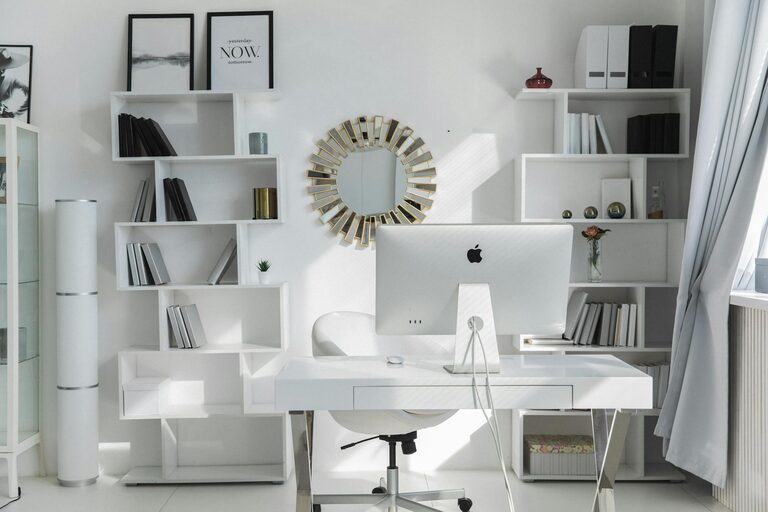
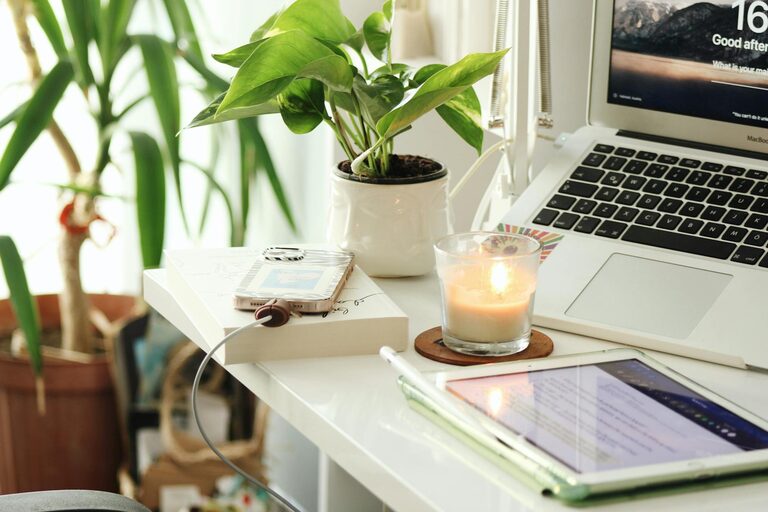
Creating a home office that feels both relaxing and productive is essential for many who work remotely or spend a lot of time at home. A well-designed workspace can improve focus, reduce stress, and make your workday more enjoyable. Here are some helpful tips to create a home office environment tailored for both comfort and efficiency.
Selecting the right spot in your home for your office space is the first step. Ideally, this should be a quiet area with minimal distractions.
– Natural Light: Opt for a room or corner with plenty of natural light. Exposure to daylight helps regulate your body clock and improves mood.
– Away from Noise: Avoid areas near the TV, kitchen, or other high-traffic zones to limit interruptions.
– Privacy: If possible, choose a separate room or use partitions to create a sense of privacy and separation between work and home life.
Your furniture plays a significant role in both comfort and productivity.
– Ergonomic Chair: Choose a chair that supports your lower back and encourages good posture to prevent discomfort during long work hours.
– Desk Space: Ensure your desk is spacious enough for your computer, documents, and other essentials while keeping clutter minimal.
– Adjustable Setup: Consider options like sit-stand desks or adjustable monitor stands to vary your posture throughout the day.
An organized space helps clear your mind and promotes focus.
– Declutter Regularly: Remove unnecessary items from your desk and storage areas.
– Use Storage Solutions: Utilize shelves, filing cabinets, or storage boxes to keep papers and supplies tidy.
– Cable Management: Tidy up cables with clips, sleeves, or ties to prevent a messy look and potential hazards.
Adding personal touches can make your home office inviting and motivating.
– Decor: Choose artwork, plants, or meaningful objects that uplift your mood without causing distractions.
– Color Choices: Soft, neutral tones tend to promote calm, while pops of color can inspire creativity.
– Lighting: Combine natural light with adjustable task lighting to create a balanced and pleasant atmosphere.
Having a small area to take breaks can improve your overall productivity and wellbeing.
– Comfortable Seating: Place a cozy chair or small sofa where you can step away from your desk.
– Mindfulness Items: Consider adding items like a small water fountain, a diffuser with calming scents, or a book nook.
– Break Reminder: Set timers or alarms to encourage regular breaks, helping you recharge throughout the day.
Keeping distractions to a minimum allows you to focus better on your tasks.
– Noise Control: Use noise-canceling headphones or white noise machines if ambient sounds are disruptive.
– Limit Tech Distractions: Turn off unnecessary notifications on your computer and phone during work hours.
– Clear Boundaries: Communicate your work schedule with family or housemates to minimize interruptions.
Reliable technology and internet are crucial for smooth remote work.
– Robust Internet: Invest in a strong internet connection to prevent slowdowns or dropped calls.
– Useful Tools: Use accessories like external monitors, ergonomic keyboards, or webcams to improve comfort and communication.
– Backup Plans: Keep essential tech backups like portable chargers or extra cables handy to avoid disruptions.
A comfortable climate and fresh air support concentration and health.
– Ventilation: Open windows regularly or use air purifiers to keep air fresh.
– Temperature: Adjust heating or cooling to maintain a comfortable environment through the seasons.
– Plants: Incorporate indoor plants which can improve air quality and add a touch of nature.
A clear routine creates structure and helps separate work from personal time.
– Set Work Hours: Define when your workday starts and ends to establish boundaries.
– Daily Planning: Use to-do lists or planners to prioritize tasks and stay organized.
– End-of-Day Ritual: Develop habits to signal the end of work, such as turning off your computer or tidying the workspace.
—
Creating a home office environment that supports both relaxation and productivity doesn’t have to be complicated. By choosing the right space, investing in comfortable furniture, organizing mindfully, and personalizing thoughtfully, you can build a workspace where you feel motivated and at ease every day. Remember to take breaks, manage distractions, and maintain a healthy routine for the best results. Happy working!